
COMING OUT December 8, 2026 Sixty Million Frenchmen Can’t Be Wrong: The Je Ne Sais Quoi of Being French REVISED EDITION
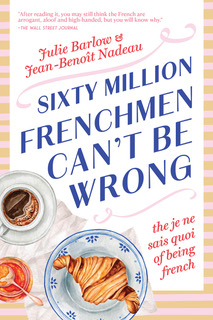 Prepare to be enlightened, entertained, and occasionally startled by this engaging exploration of an incredible nation—one that has left an indelible mark on the world.
“Learning to love the French as they are.”
New York Times
“Sixty Million Frenchmen does its job marvellously well. After reading it, you may still think the French are arrogant, aloof and high-handed, but you will know why.”
Wall Street Journal
“… should be handed out at Calais and Charles de Gaulle airport to anyone hoping to get a grip on France and make a holiday or life work here.”
The Daily Telegraph
“…simply marvellous…”
The Globe and Mail
 |
 |
 |
 |
Going Solo
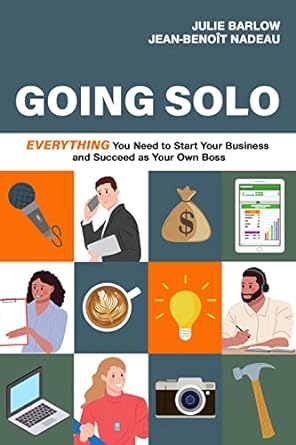
“…I loved this book. So practical.”
Marc Kramer, The Best Business Minds podcast
” …A savvy guide that covers business plans, marketing, pricing, negotiating, contracts, incorporation, taxes, work-life balance and much more.”
MoneySense
“A great way to learn how to put your passion into action.”
Andi Simon, On the Brink podcast
|
|
|
US Edition  |
Canadian Edition |
Canadian Edition |
The Bonjour Effect
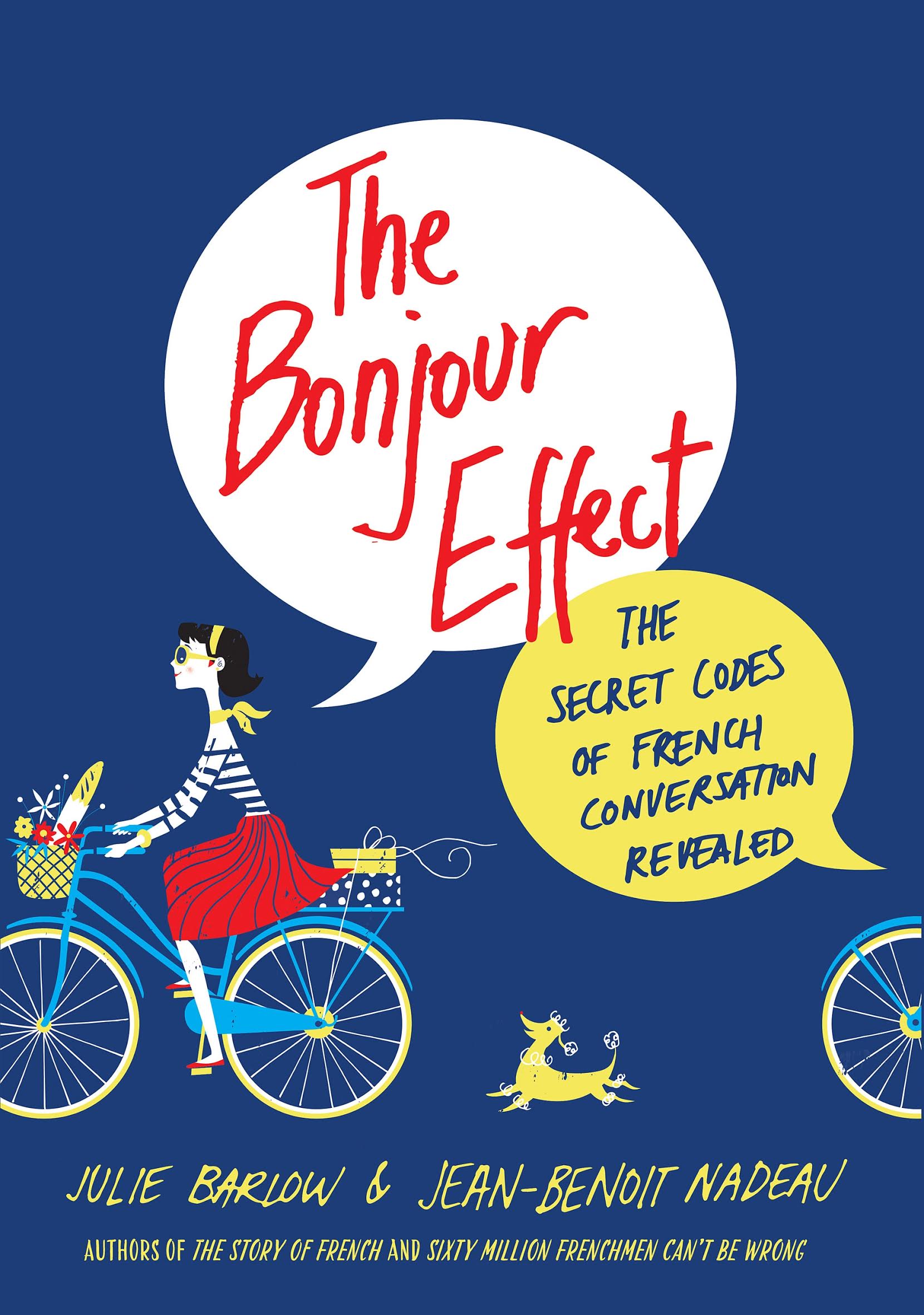
“…as light as it is substantive!”
The New York Times
” …fascinating and delightful….”
The Times Literary Supplement
“Copies should be made available at every border crossing.”
The Daily Mail
“…lively and informative…”
The Globe and Mail
|
|
|
 |
 |
 |
Charging Ahead: Hydro-Quebec and the Future of Electricity
 How Hydro-Québec has put Quebec two generations ahead of California, Vermont and Ontario in the energy transition, and how it’s turning Quebec into the “Battery of the Northeast.”
“A thorough study”
Radio-Canada
“So many surprises and interesting things in this book”
Sonali Karnick, CBC’s All in a Weekend
 |
 |
|
The Story of Spanish
 A “biography” of Spanish that explains how the language was born, evolved and spread – sometimes against all odds – to become the world’s 3rd most-spoken tongue
“Hats off!”
The Economist
“…zips along crisply.”
The Wall Street Journal
“… a rich history of the language.”
The LA Times
|
|
The Story of French
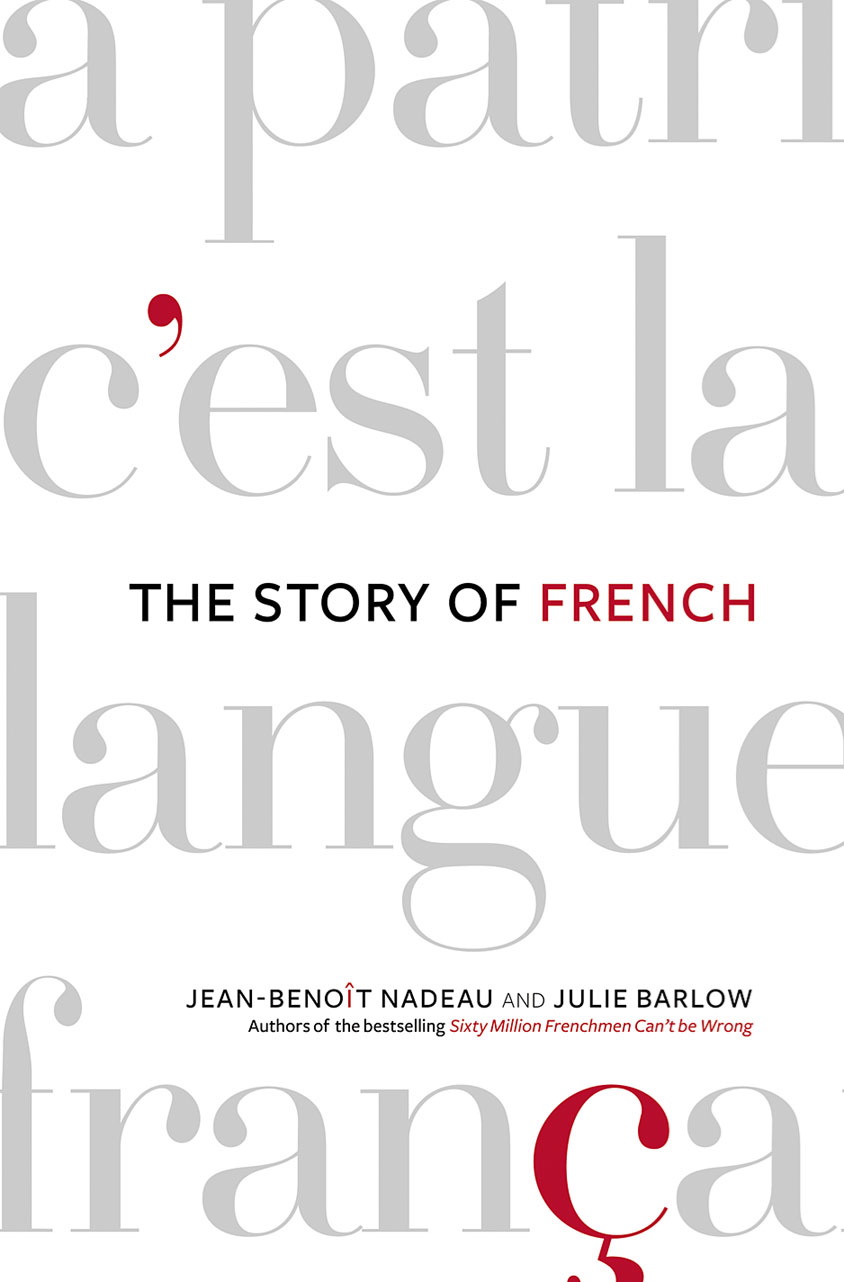 The mysteries of French are unravelled in a narrative that spans from Charlemagne to the Cirque du Soleil.
*Winner of the Mavis Gallant Prize for Nonfiction and the Prix La Renaissance française
“…well told, highly accessible..”
The New York Times
“…stuffed with surprises, insight and humour…”
The Independent
“…an illuminating portrait of Gallic sensibility.”
Publisher’s Weekly
|
|
Sixty Million Frenchmen Can’t Be Wrong
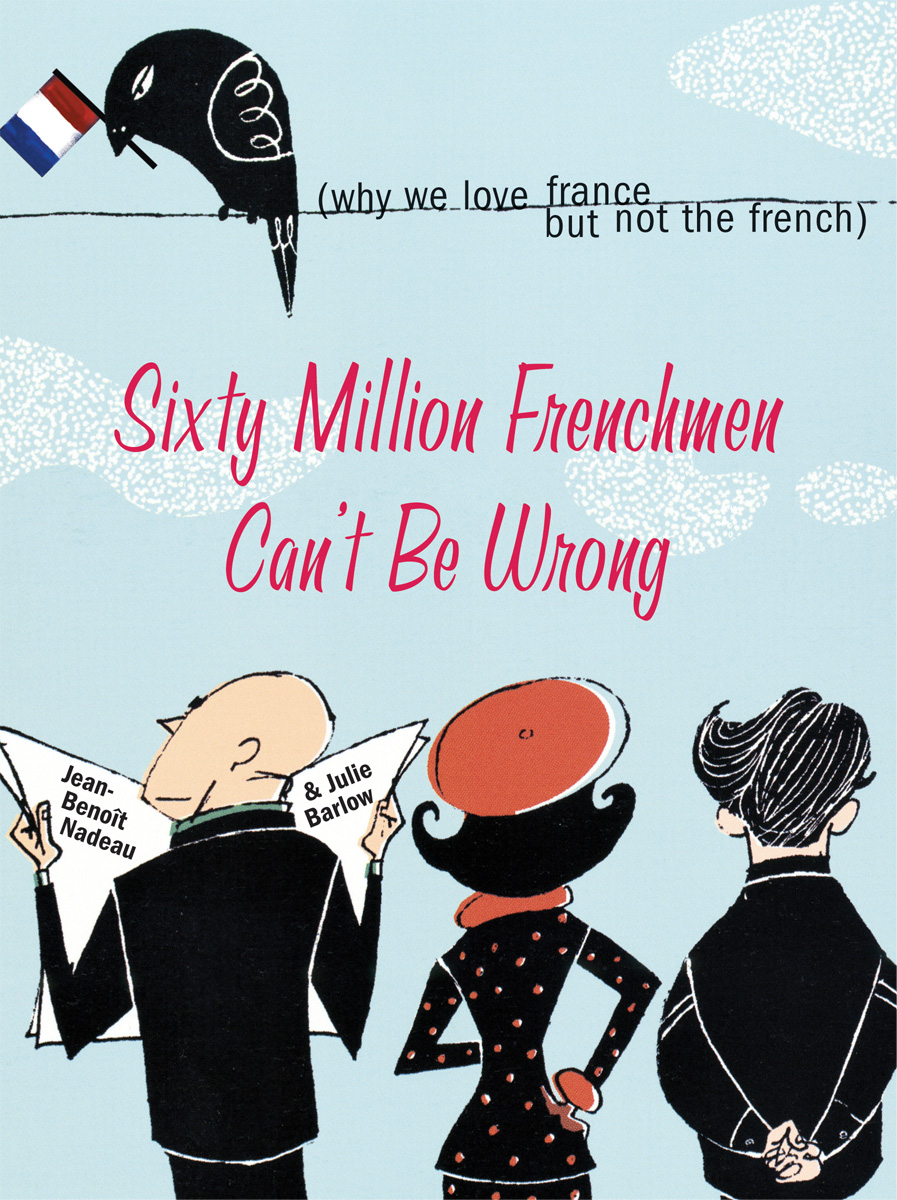 Part travelogue and part anthropological study, the full story of the French “difference.”
“..does its job marvelously well.”
The Wall Street Journal
“…should be handed out at Calais and Charles de Gaulle airport.”
The Daily Telegraph
“…a wonderful book…”
The Globe and Mail
|
|